5 New Articles Drop Every Friday
Browse ArchiveThe Breakdowns You're
Not Seeing Coming
Fault code diagnostics, failure pattern analysis, and fleet cost intelligence — published every Friday. No fluff. No sponsored content. Just the stuff that saves you money.
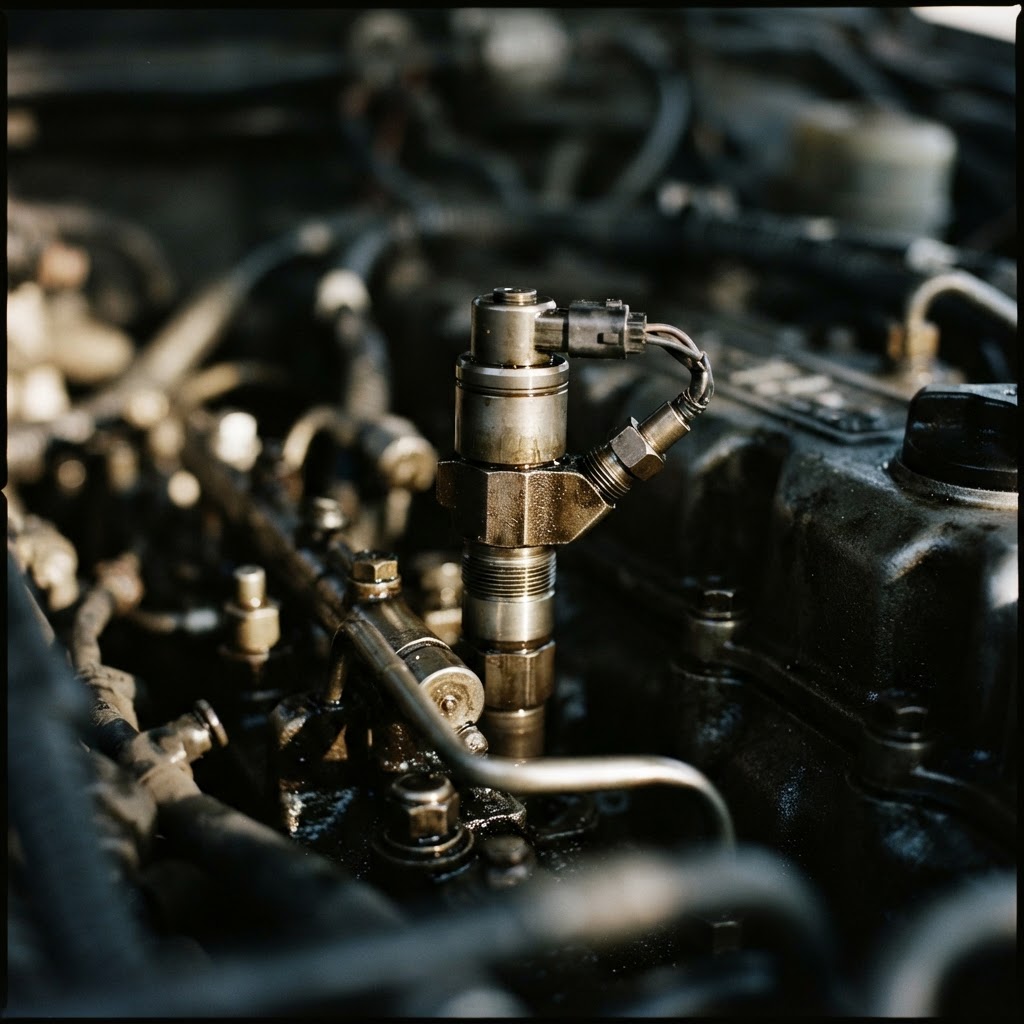
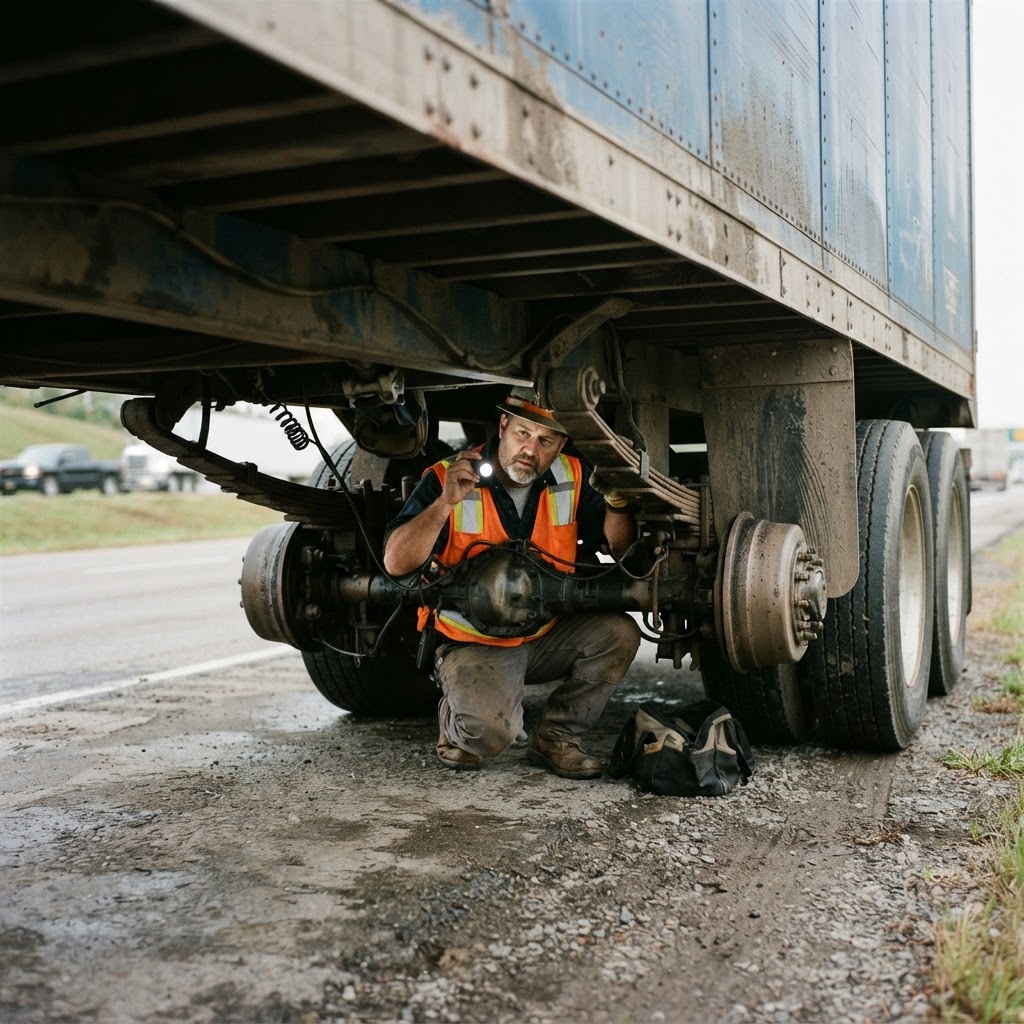
OSHA and Fleet Maintenance: What Shop, Mobile, and Roadside Operations Actually Require
Fleet maintenance operations face OSHA obligations that go well beyond posted safety signs. Here's what directors of maintenance need to know about mobile repair, roadside response, and shop compliance.
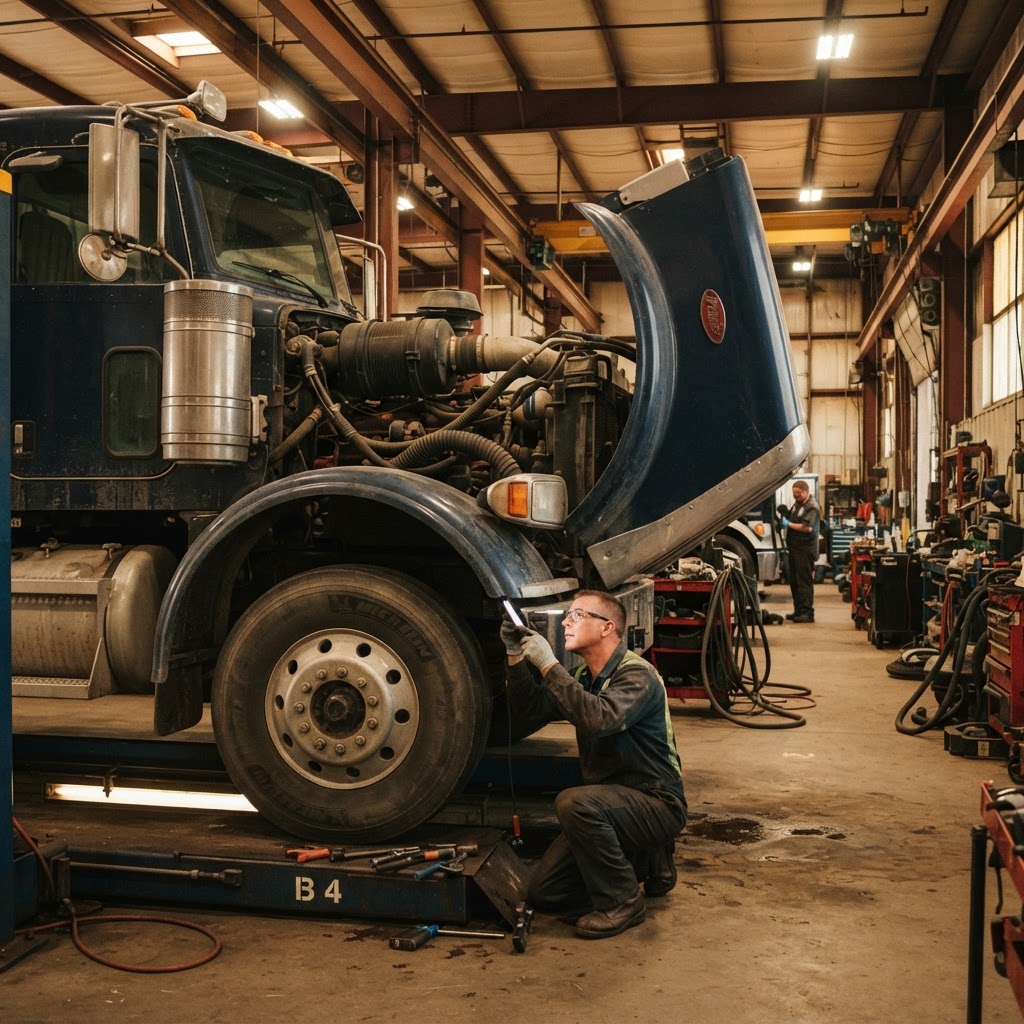
Air Filter Restriction and Intake Vacuum: Reading Turbo Surge Before the ECM Does
Intake vacuum data flags turbocharger surge weeks before boost fault codes appear. Here's the signal chain, the thresholds, and what fleets miss by waiting for a DTC.
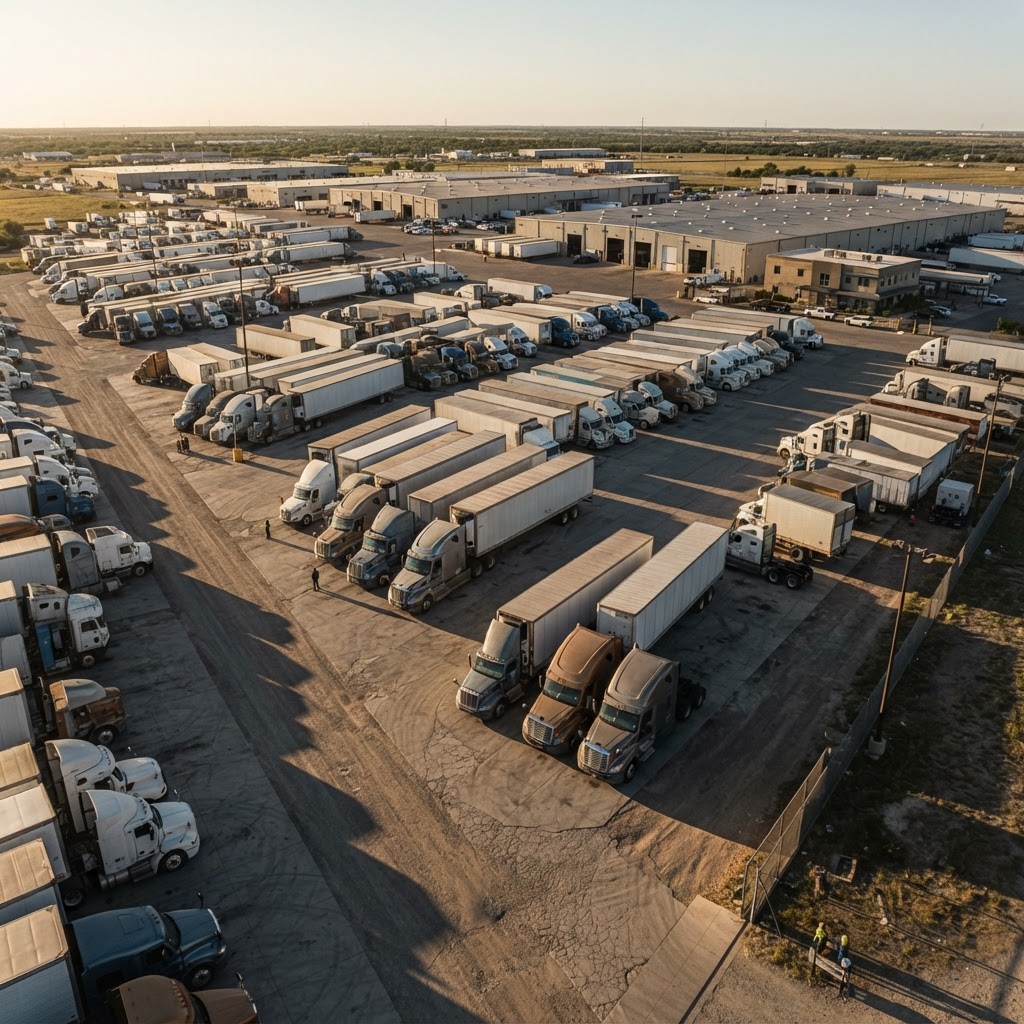
How 24/7 Fleet Scheduling Accelerates Component Wear Across Every System
Running vehicles around the clock doesn't just add miles—it compounds wear through thermal cycling, reduced inspection windows, and shortened component recovery time. Here's what the data shows.
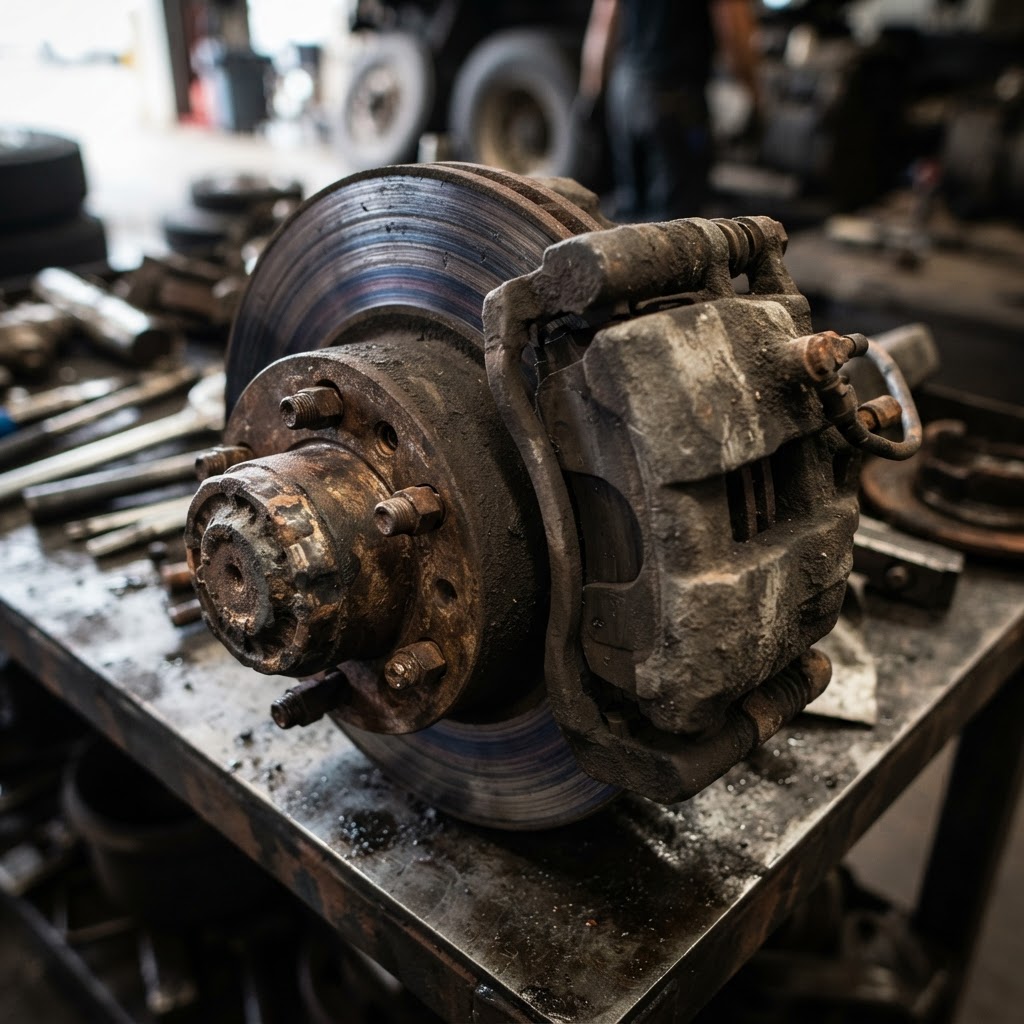
Warranty Capture Rates and Fleet Maintenance Cost: Finding Faults Before the Clock Runs Out
Most fleets recover less than 60% of warranty-eligible repair costs. Here's the diagnostic and process discipline needed to close that gap before coverage expires.

CARB Fleet Emissions Compliance: DEF Systems, Fault Codes, and Reporting Obligations
California and New York's emissions mandates carry real financial teeth. Here's what fleet managers need to know about DEF system specs, J1939 fault reporting, and avoiding a six-figure compliance gap.
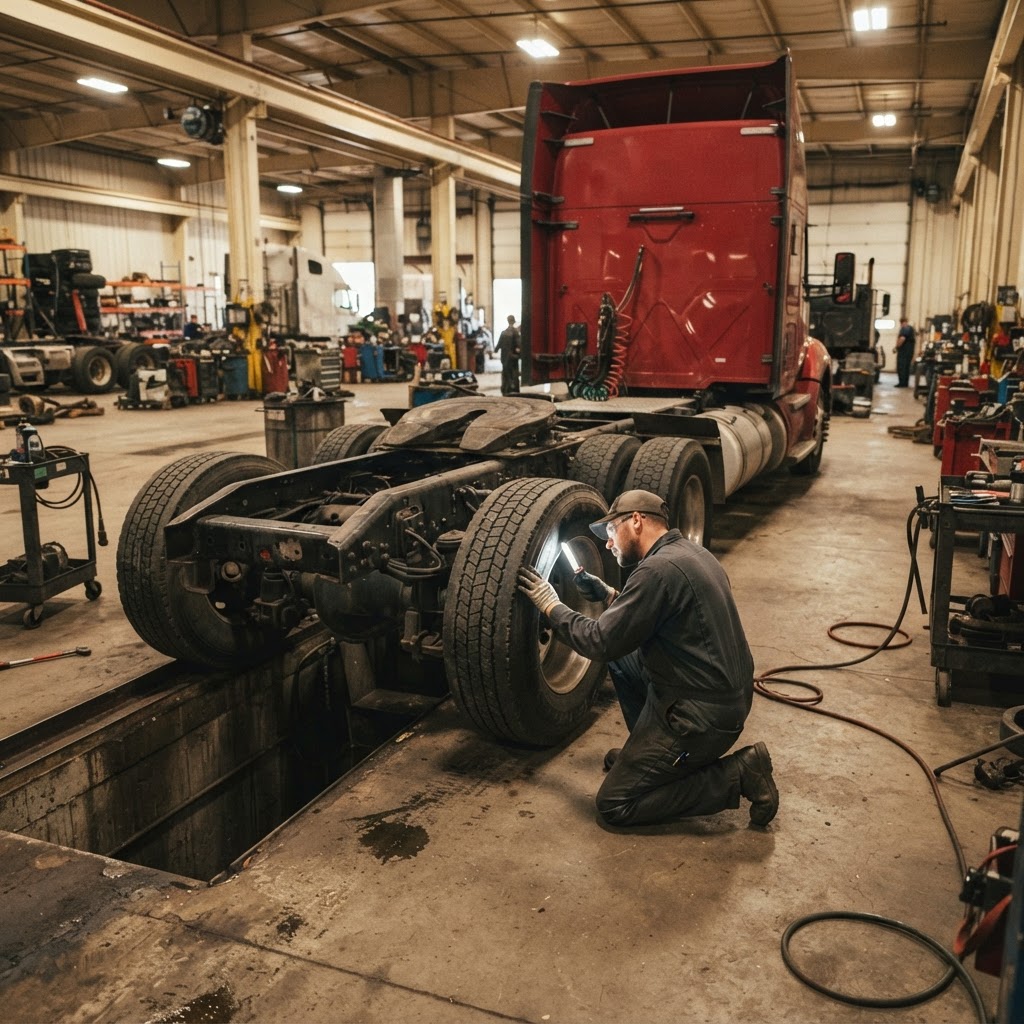
Predictive Tire Failure: Modeling Blowout Risk by Axle Position Using Load, Temp, and Mileage Data
Tire failures cost fleets $400–$600 per roadside event before factoring liability. Here's how to model blowout risk by axle position before the carcass lets go.
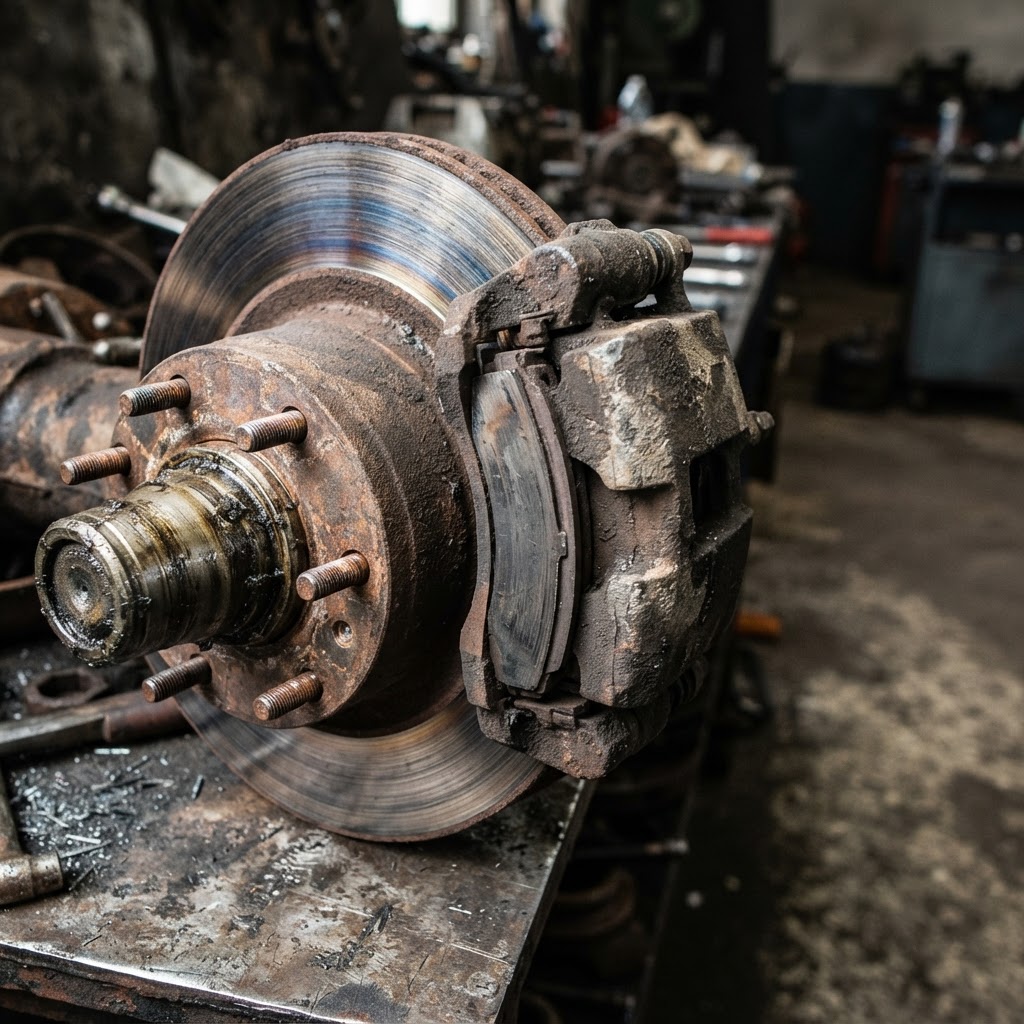
Tire Management ROI in Commercial Fleets: What the Numbers Actually Show
Tire cost is the second-largest variable expense in a commercial fleet after fuel. Here's what rotation intervals, TPMS data, and blowout modeling reveal about where the money actually goes.

GPS Idle Detection Data and Engine Wear Modeling: What Idle Hours Actually Cost You
Idle hour accumulation degrades engines faster than mileage alone — and most fleets are modeling wear without it. Here's how GPS idle data closes that gap.

Deferred Maintenance Liability: How Fleet Backlogs Compound Cost and Insurance Risk
A single deferred brake inspection can cascade into a six-figure liability event. Here's the cost mechanics behind fleet maintenance backlog and how to quantify it before it quantifies you.
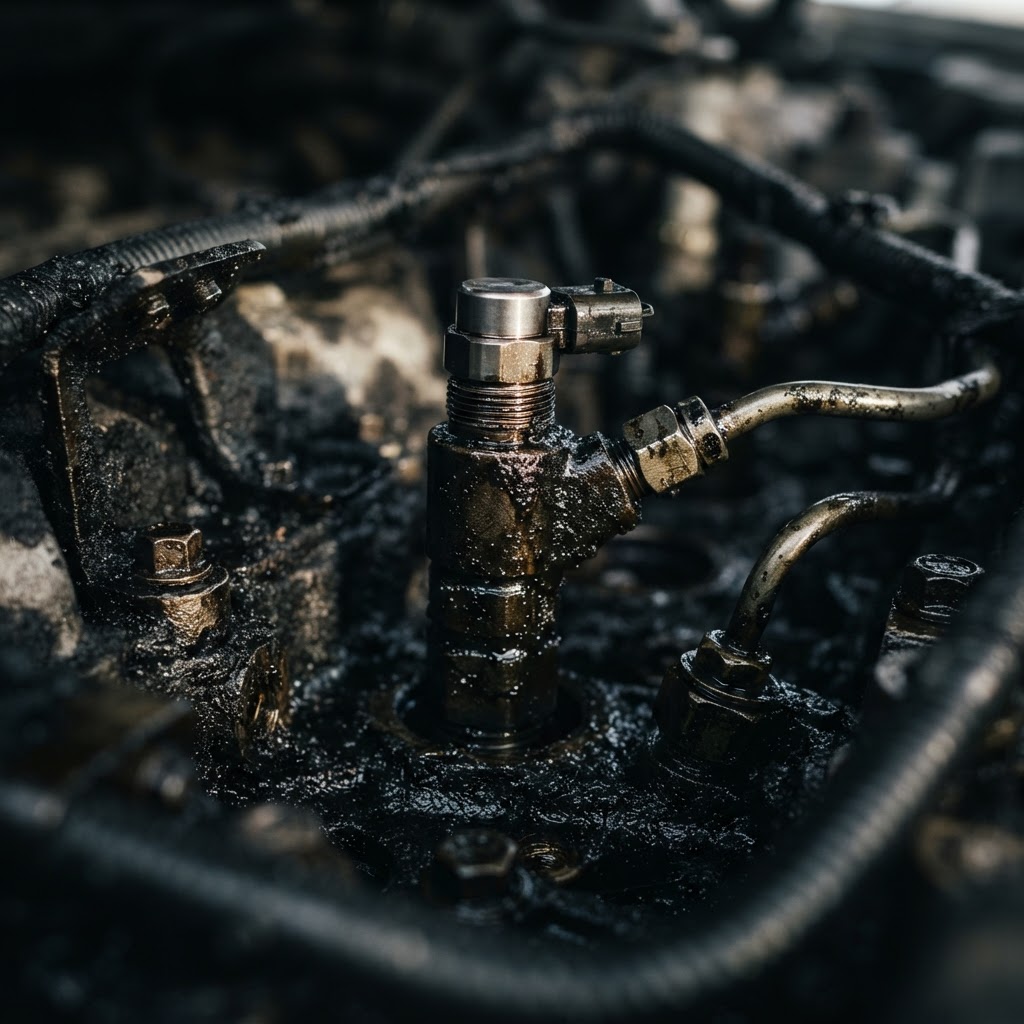
EGR Valve Failure in Commercial Diesel Fleets: P0401, P0403, and the Cascade Effect
P0401 and P0403 aren't just emissions codes — they're early warnings of a failure sequence that can cost fleets $15,000 or more per engine. Here's the full diagnostic picture.
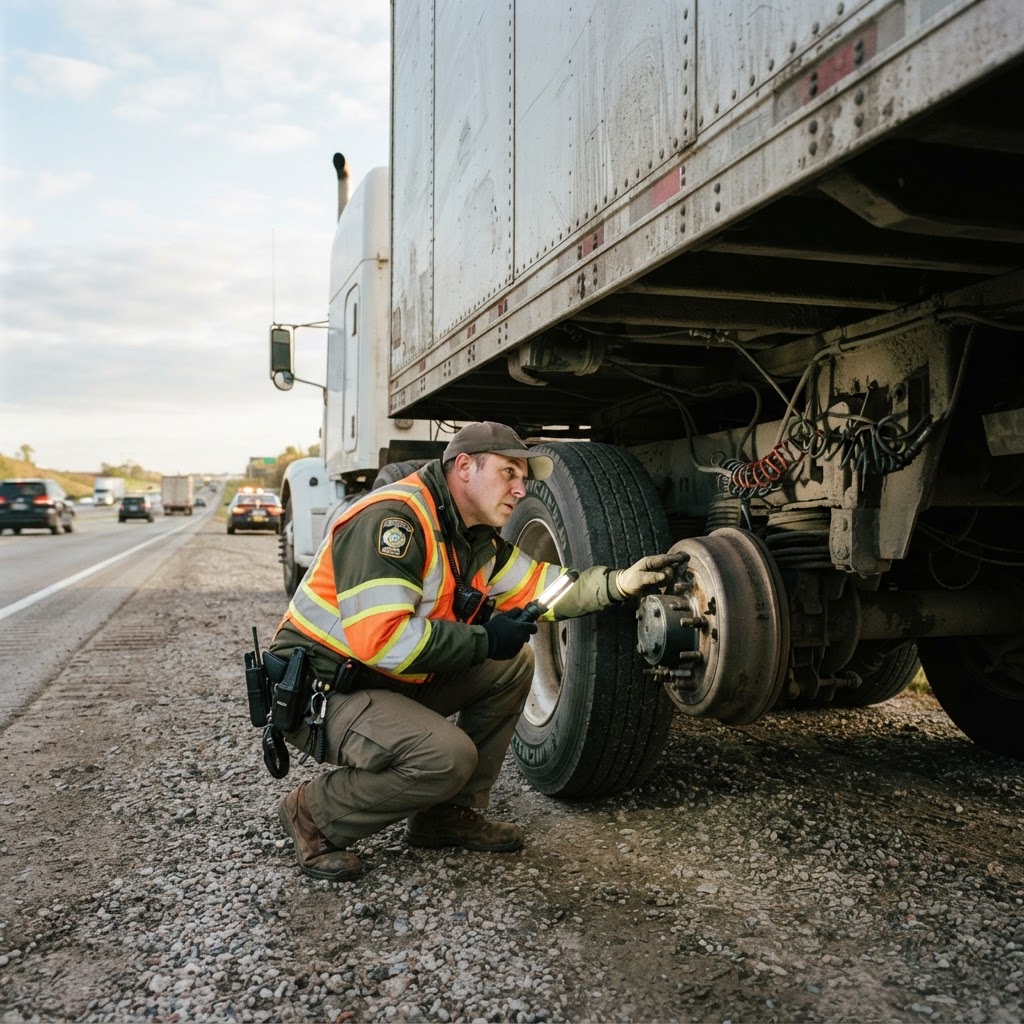
Building a Fleet Risk Score That Works for DOT, Insurance, and Your CFO
Most fleet risk scores satisfy one audience and fail the other two. Here's how to architect a single scoring framework that holds up under DOT audit scrutiny, insurance underwriter review, and CFO budget pressure.
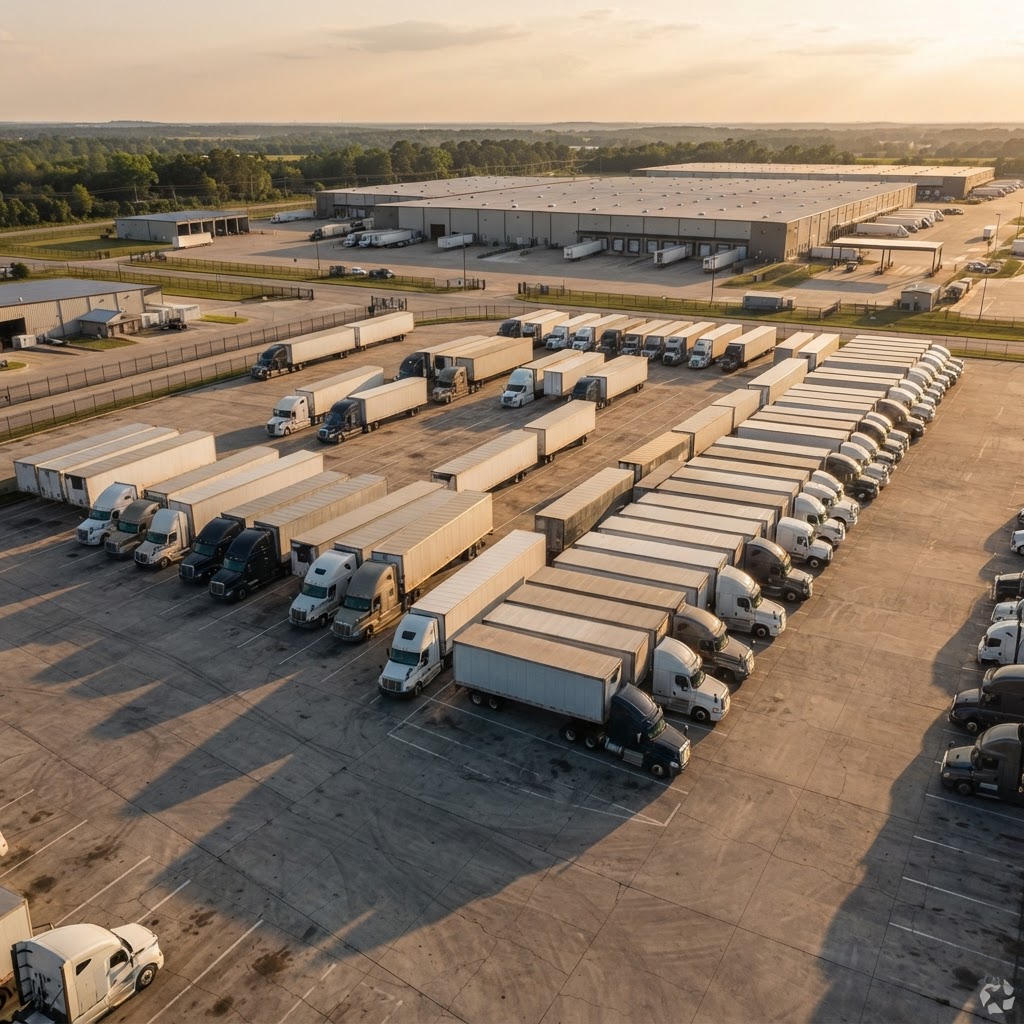
Fleet Brake Inspection Programs Built on Telematics Deceleration and OBD Data
Telematics deceleration signatures and OBD brake fault codes expose wear patterns PM schedules miss entirely. Here's how to build an inspection trigger system that actually works.

CAN Bus Architecture in Fleet Vehicles: What Telematics Devices Actually See
Most telematics platforms access only a fraction of the data moving across a commercial vehicle's network. Here's exactly where the walls are and why it matters for diagnostics.
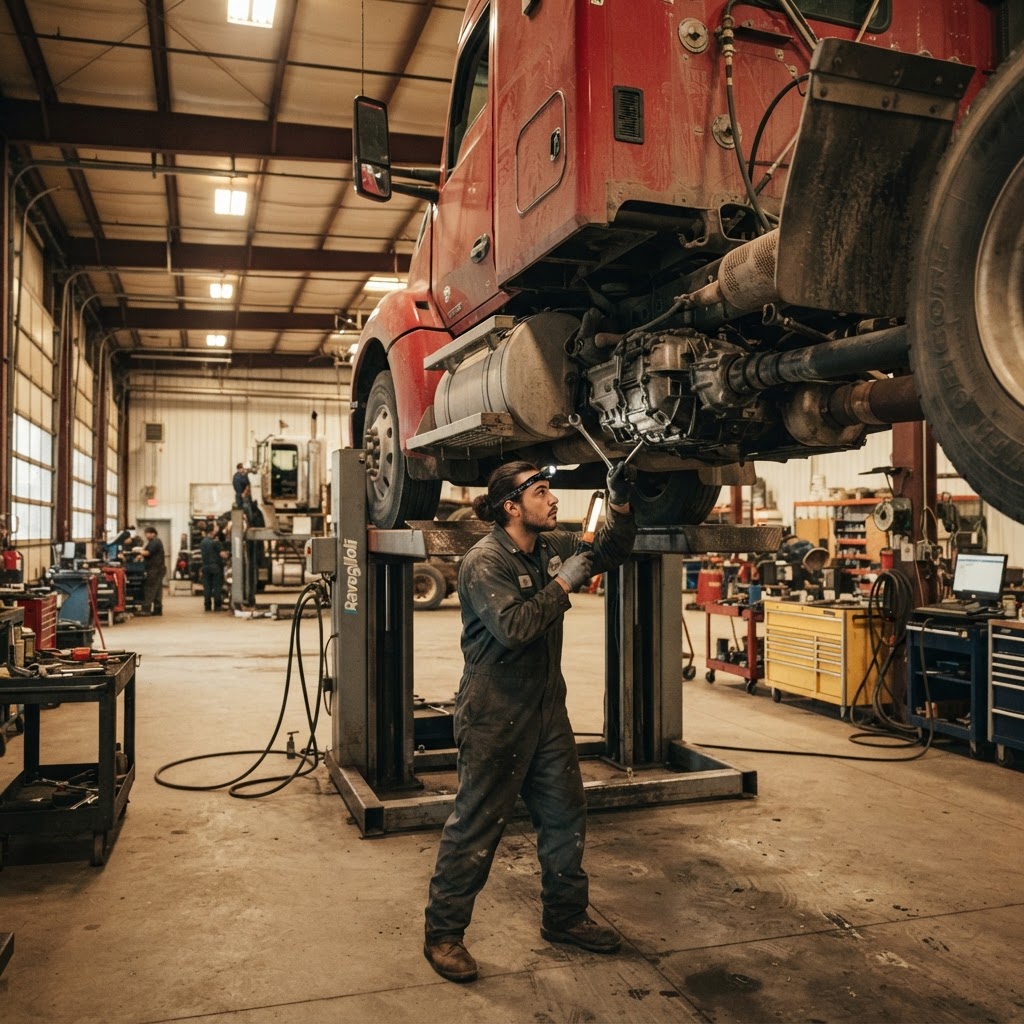
Transmission Slip Event Logging: How Shudder Patterns Predict P0700 Failures
Small shudder events logged by telematics weeks before a P0700 code follow a measurable pattern. Here's how to read that pattern before it becomes an $8,000 rebuild.
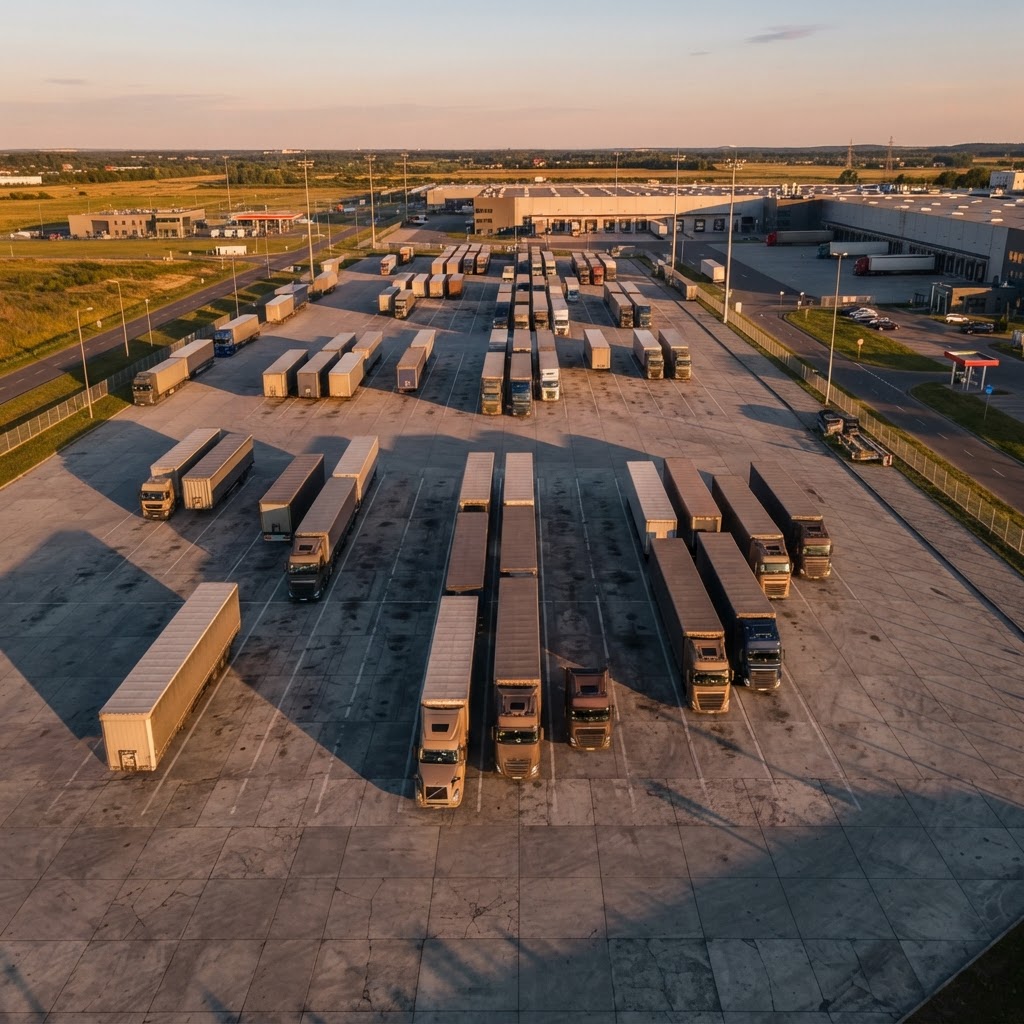
Fleet TCO Modeling: Depreciation Curves, Maintenance Bands, and the Replacement Trigger Formula
Most fleets replace vehicles too late — or too early. Here's the quantitative framework that tells you exactly when the math flips against you.
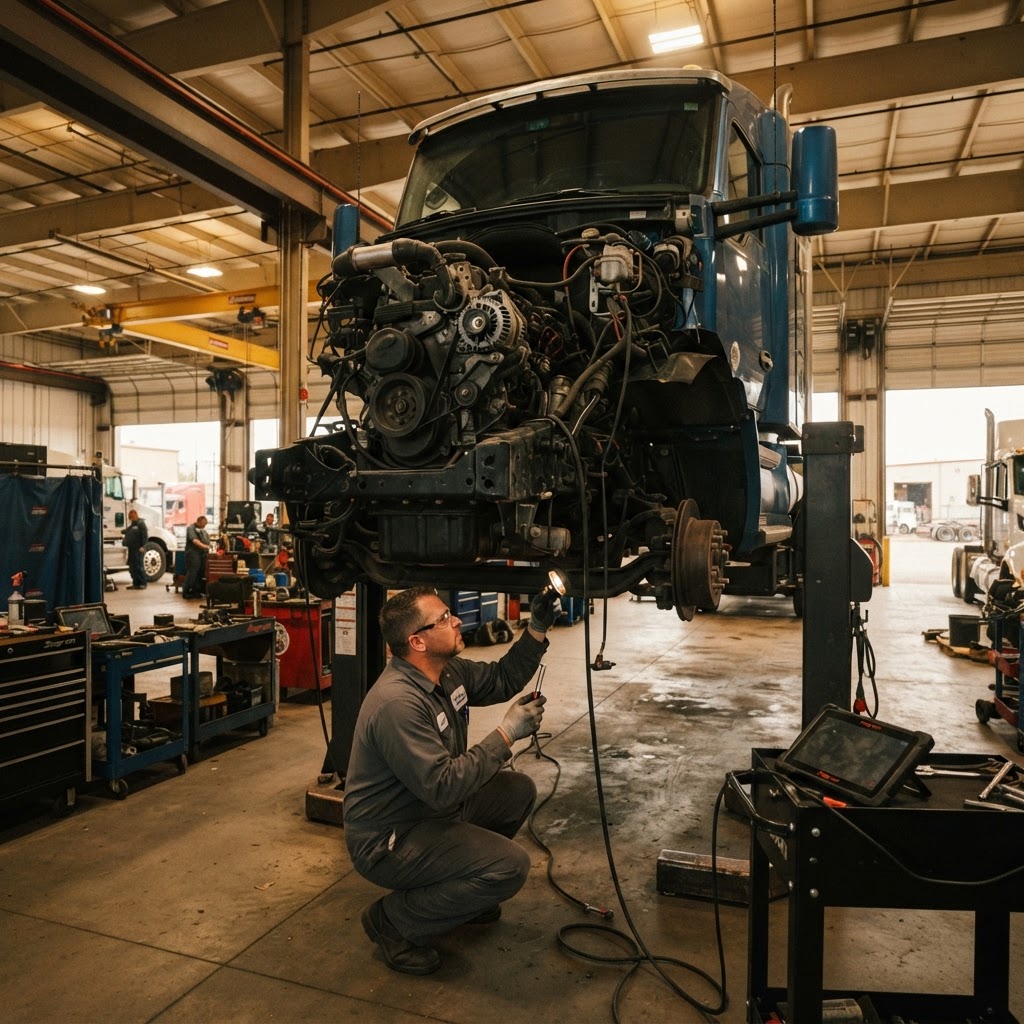
Alternator Output Trending: The Voltage Decay Signature That Predicts No-Start Failures 3 Weeks Out
Most alternator failures don't happen suddenly — they telegraph weeks in advance through a specific voltage decay pattern that telematics already captures. Here's how to read it.

Fleet Rental Replacement Cost Modeling: Cutting Substitution Spend by 40%
Unplanned breakdowns silently inflate substitution vehicle budgets by thousands per event. Here's the data-driven model showing exactly where predictive maintenance closes the gap.

Custom Fault Code Alerts in Telematics: Threshold Logic and Alert Fatigue
Generic out-of-the-box alert configurations are burying your shop in noise while missing the faults that actually take trucks off the road. Here's how to fix that.
Free — No Credit Card
Get Your Free Fleet Fault Report
Get a personalized breakdown of the fault codes most likely to hit your fleet — with real repair costs, downtime data, and your savings estimate. A specialist follows up with your report.
No spam. A fleet specialist will reach out with your report. Unsubscribe anytime.
Free 14-Day Trial — No Credit Card
Stop Reading About Breakdowns.
Start Preventing Them.
Connect your fleet, get AI fault predictions within 24 hours. Rooutiq monitors every vehicle so you don't have to.